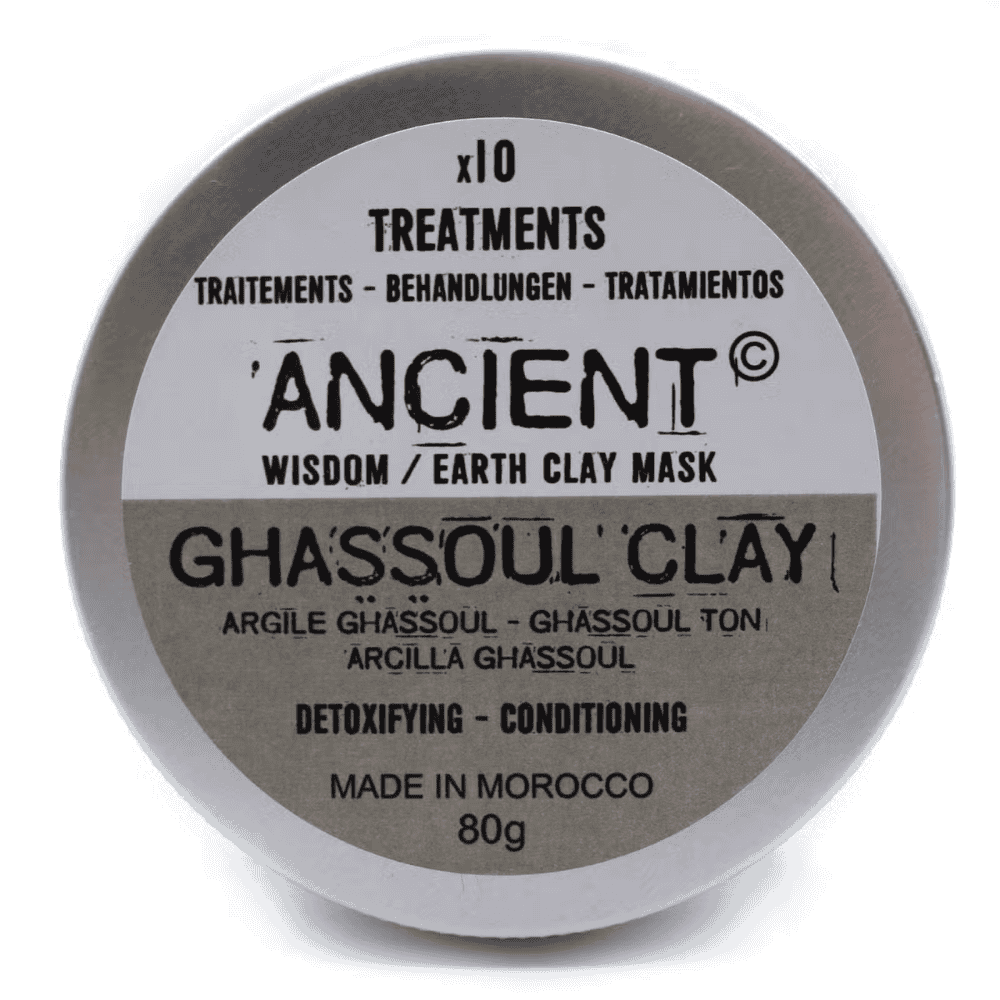
What Is a Clay Face Mask?
A clay face mask is a skincare treatment made primarily from mineral-rich clay.
Clay has an absorbent texture that can help remove excess surface oil and leave the skin feeling thoroughly cleansed and refreshed.
Different types of clay vary in texture, mineral composition and absorbency, which is why you’ll often see several types used in facial masks.
Rather than assuming one clay mask is right for everyone, it is worth choosing your mask according to your skin and how it responds.
Benefits of Clay Face Masks
Clay masks are popular because they provide a simple way to add a deeper-cleansing step to your skincare routine.
Depending on the clay and formulation, a clay face mask can help:
- absorb excess surface oil
- remove everyday build-up from the skin
- leave pores feeling thoroughly cleansed
- make skin feel smoother and refreshed
- complement an oily or combination skincare routine
- create an easy at-home facial treatment
The important thing is choosing an appropriate clay and not leaving the mask on longer than recommended.
Clay Masks for Pores and Oily Areas
If excess oil and congested-feeling pores are your main concerns, a clay pore mask can be a useful addition to your routine.
Clay absorbs oil from the skin's surface, which can leave areas such as the forehead, nose and chin feeling cleaner and less oily after use.
You don't necessarily need to apply clay over your entire face either.
Some people prefer to use a clay mask only on areas that become particularly oily, such as the T-zone.
Clay masks do not permanently change the size of pores, but thoroughly cleansing the skin can make pores appear less noticeable temporarily.
Choose the Right Clay Face Mask
Different clays have different characteristics, so choosing between them is part of building a routine that works for you.
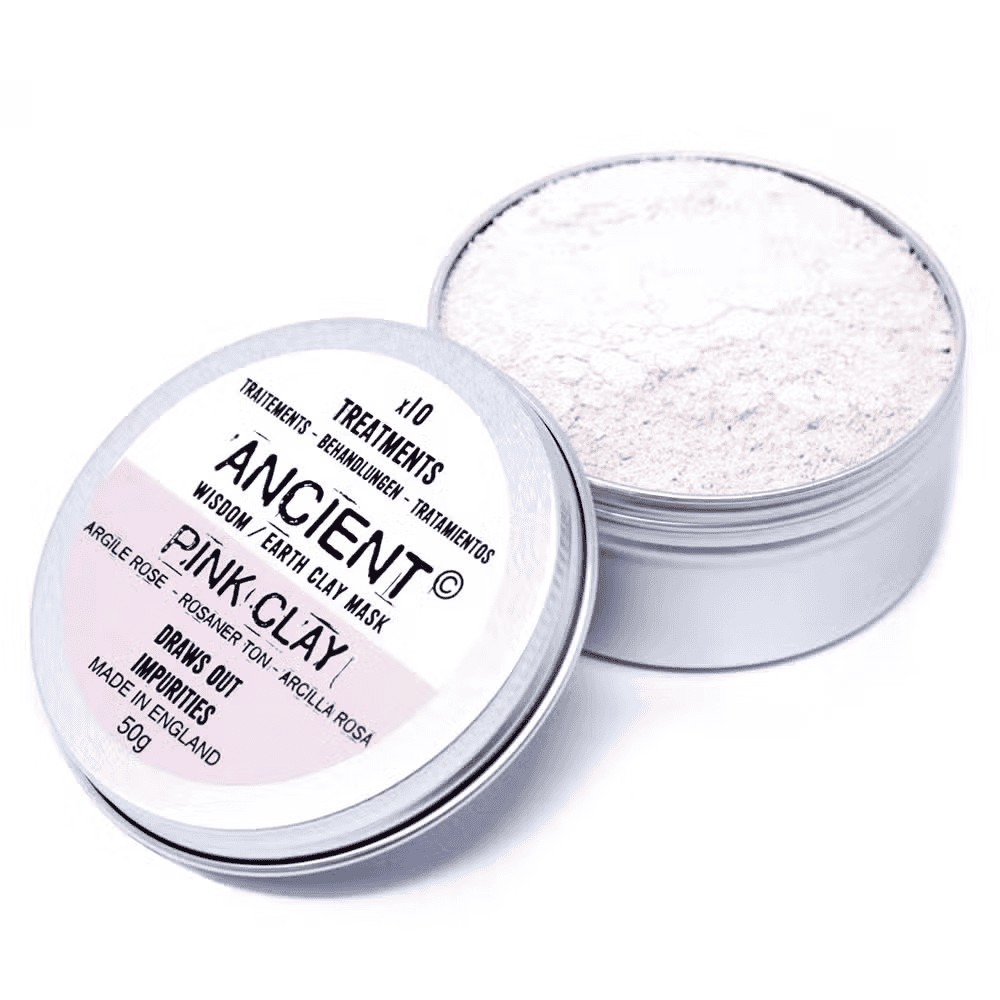
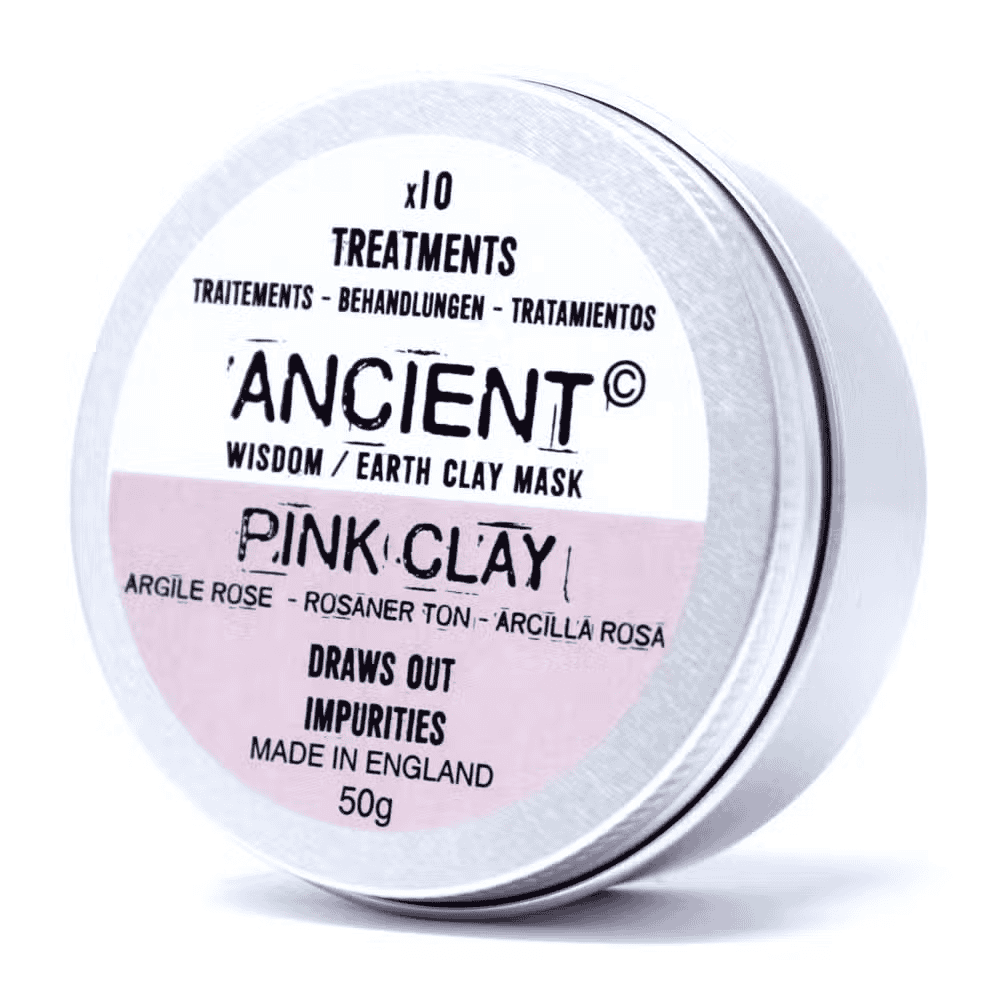
Pink Clay Face Mask
Pink clay tends to have a softer feel than some more absorbent clays and can be a good place to start if you prefer a gentler-feeling clay mask.
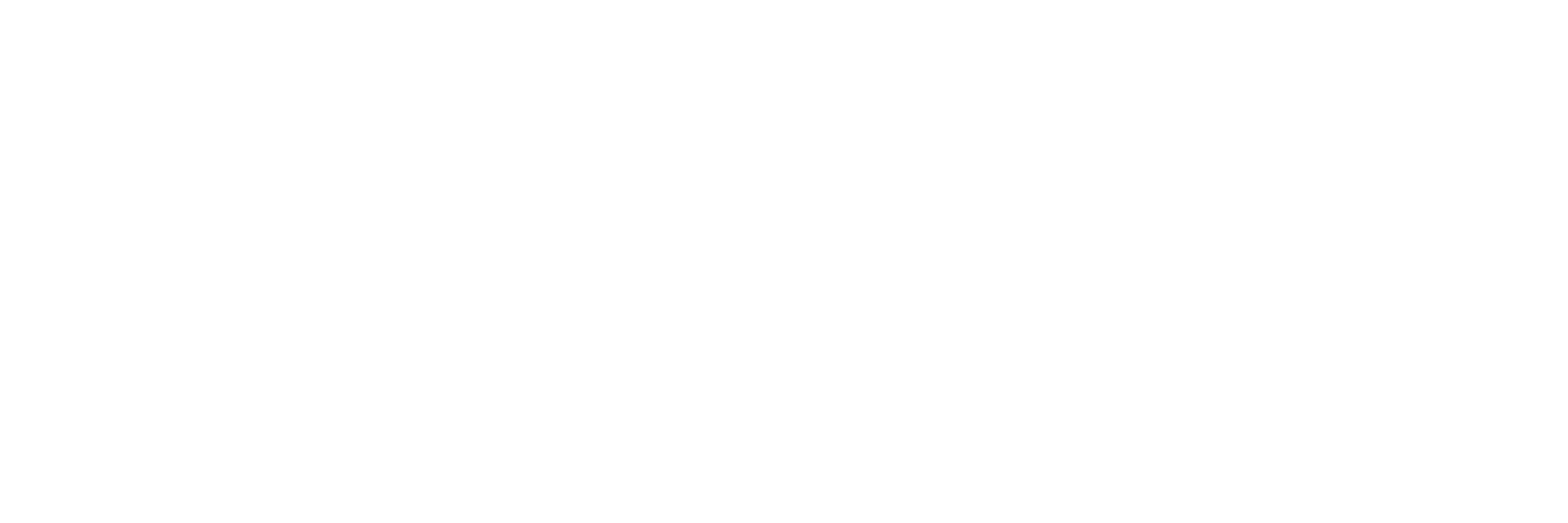
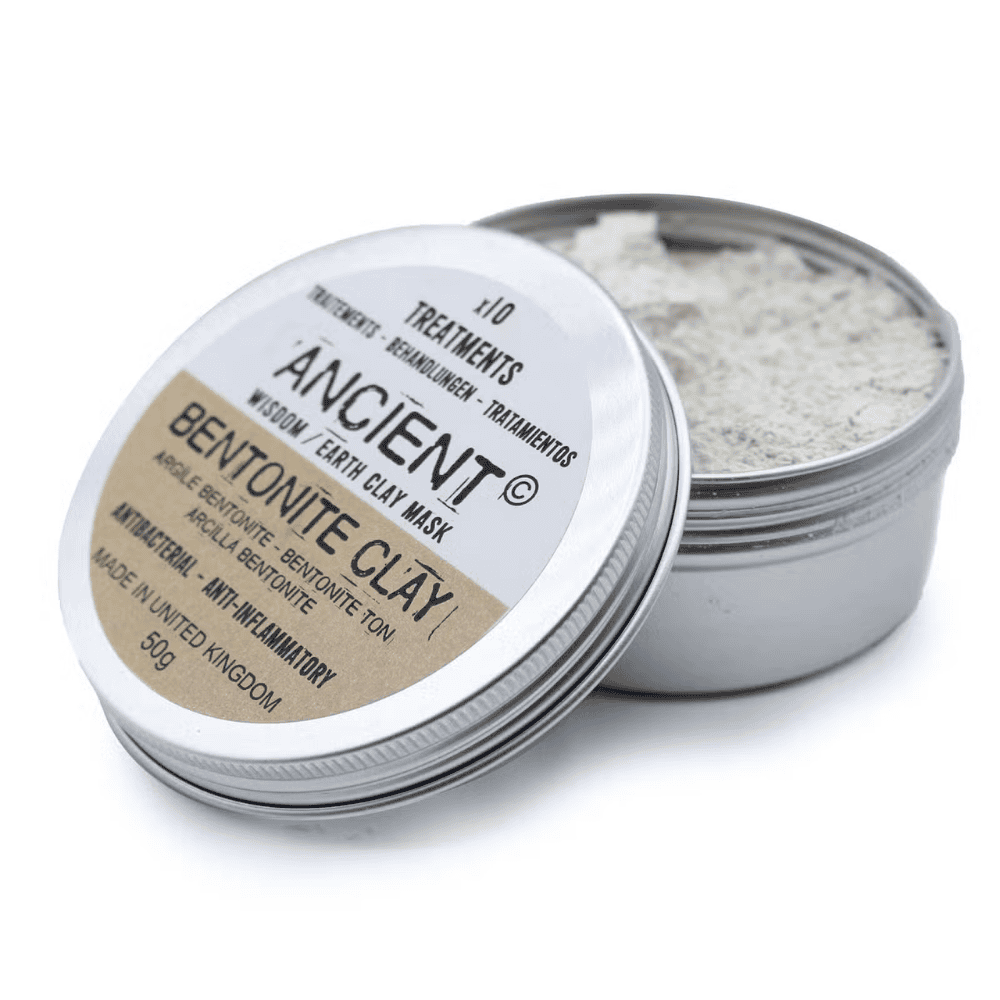
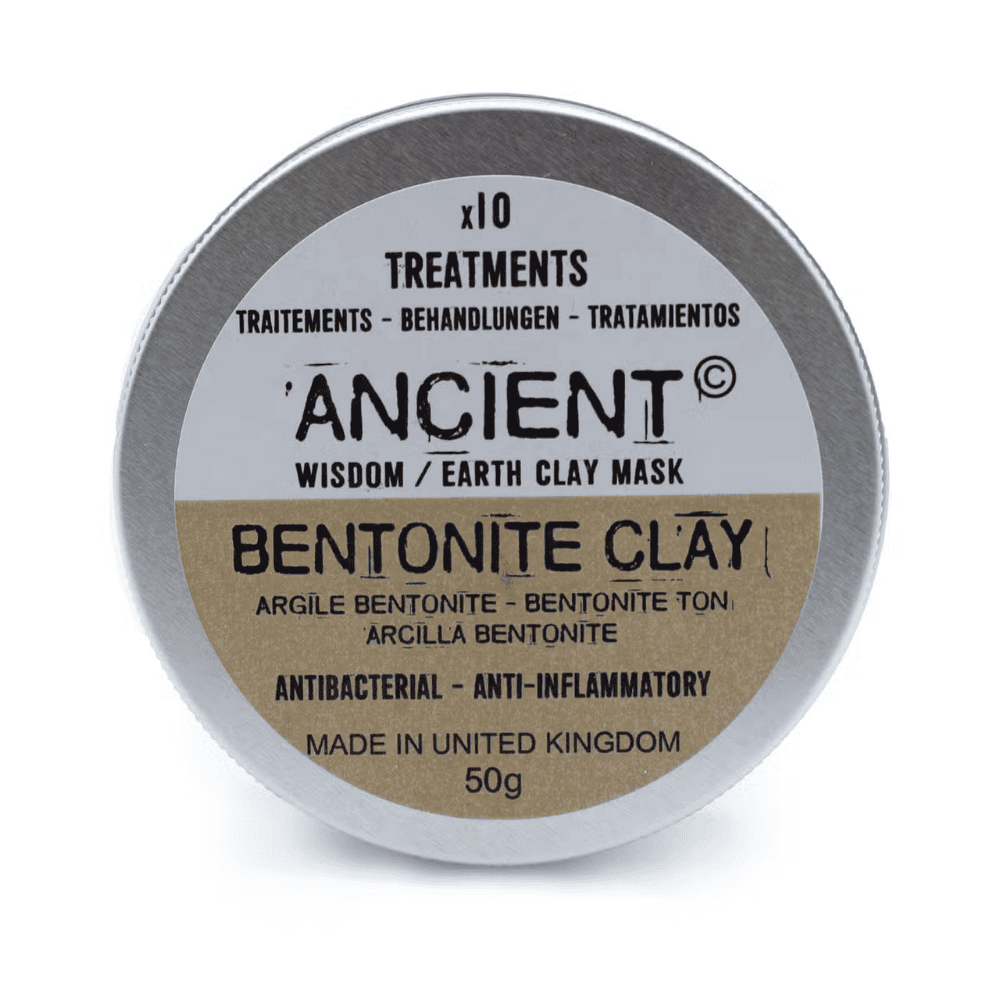
Bentonite Clay Face Mask
Bentonite clay is highly absorbent and is commonly chosen by people looking for a deeper-cleansing clay treatment.
Green Clay Face Mask
Green clay is another popular choice for oilier areas of the face and for skincare routines focused on cleansing.
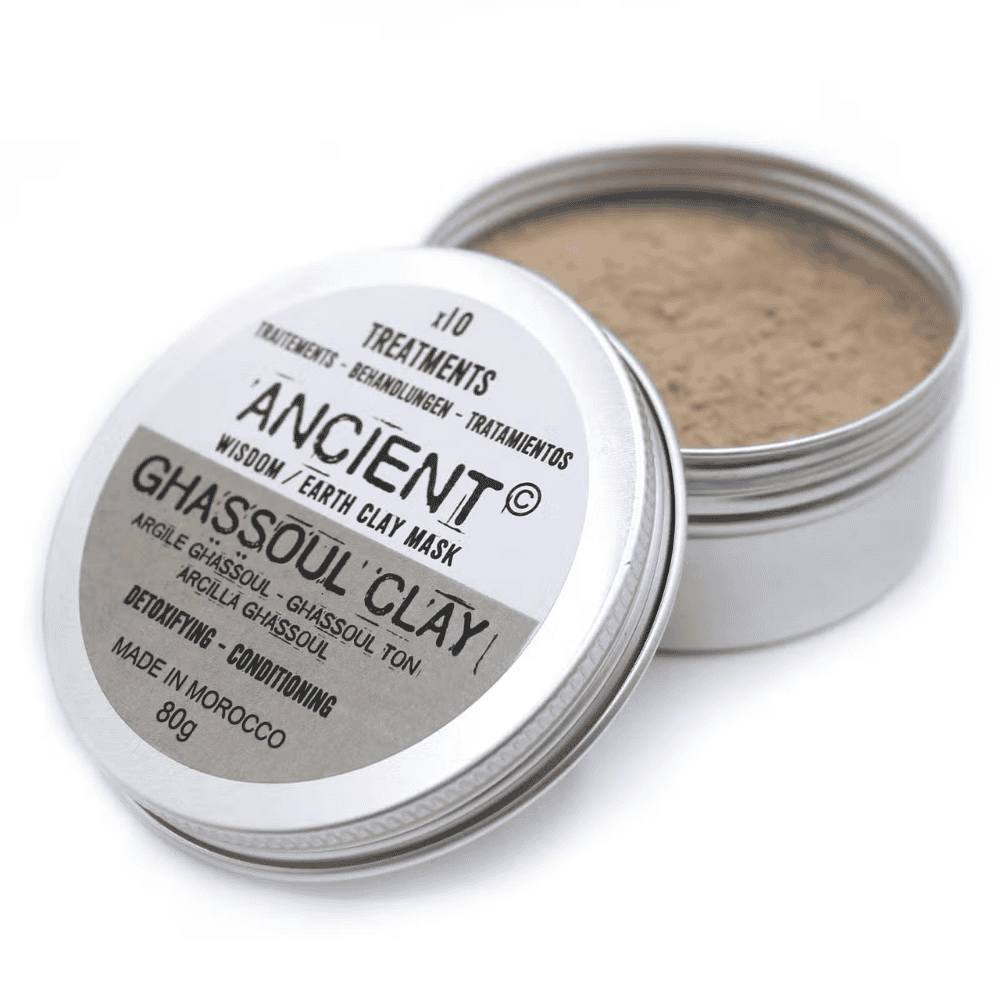
Ghassoul Clay Face Mask
Ghassoul clay, sometimes known as Rhassoul clay, has been traditionally used in beauty routines and has a naturally fine mineral texture.
Red Clay Face Mask
Red clay gets its distinctive colour from its natural mineral composition and provides another option for anyone wanting to experiment with different types of face clay.
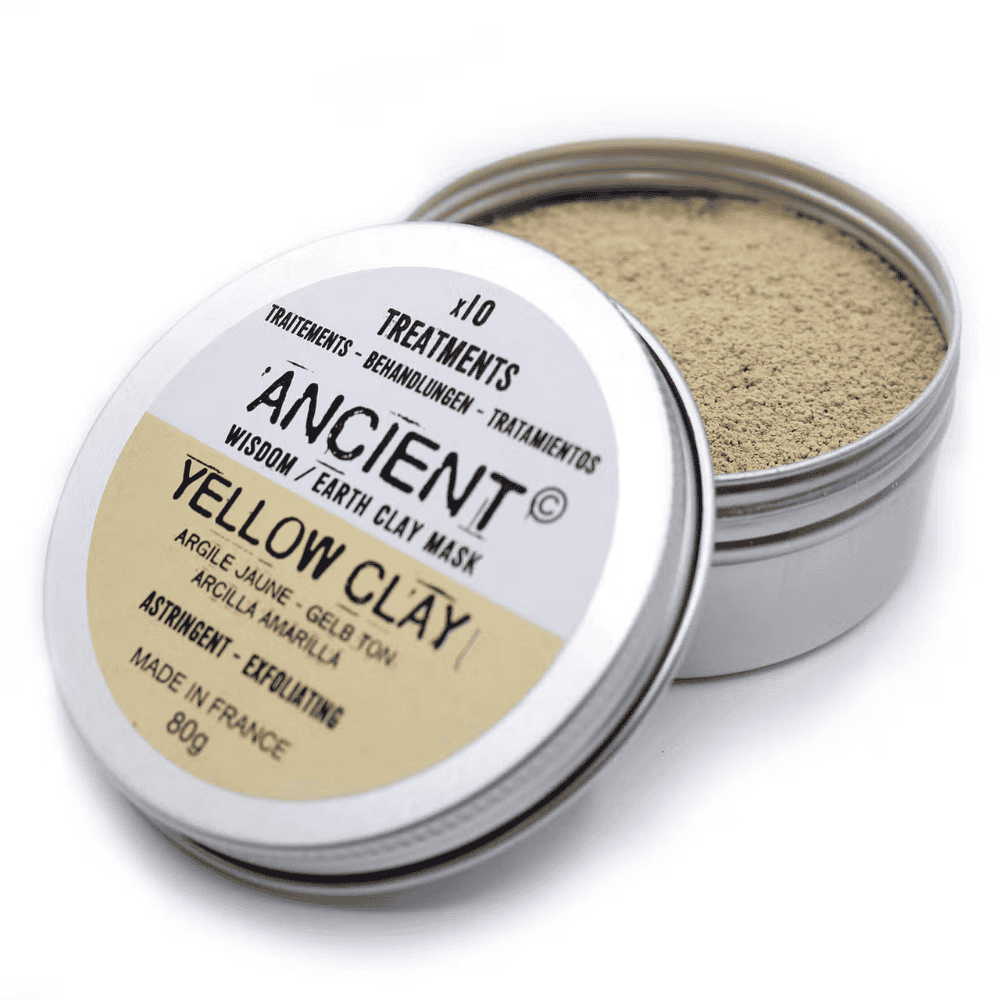
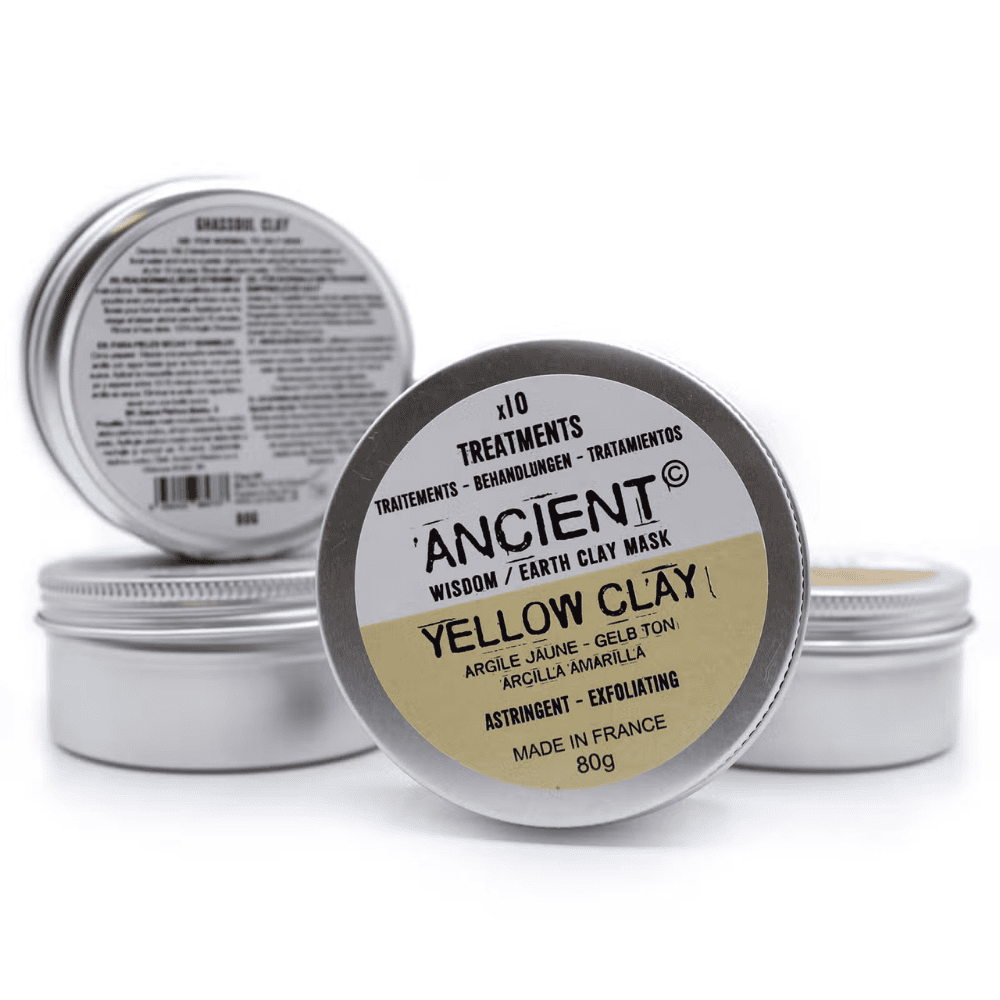
Yellow Clay Face Mask
Yellow clay offers a different mineral profile and can be incorporated into an occasional clay-mask routine.
If you’re unsure which one to choose, start with our guide to finding the best clay mask for your skin and preferences.
How to Use a Clay Face Mask
Always follow the instructions supplied with your individual mask, but powder clay masks are generally straightforward to prepare.
- Place the recommended amount of clay powder into a clean bowl.
- Gradually add the recommended amount of water or mixing liquid.
- Mix until you have a smooth, spreadable paste.
- Apply an even layer to clean skin, avoiding the eyes and lips.
- Leave it on for the recommended amount of time.
- Rinse thoroughly with lukewarm water.
- Pat the skin dry and continue with the rest of your skincare routine.
Avoid allowing a clay mask to become excessively dry or uncomfortable on the skin.
For more detailed instructions, read our guide to how to use powder face masks.
How Often Should You Use a Clay Face Mask?
More is not necessarily better when it comes to clay.
How often you use a clay face mask depends on:
- the type of clay
- the individual product
- your skin type
- the rest of your skincare routine
- how your skin responds after use
For some people, an occasional weekly mask may be enough. Others may prefer to use one less frequently.
If your skin begins feeling tight, uncomfortable or irritated, give it a break and reduce how often you use the mask.
Read our full guide to how often you should use a clay face mask.
Should You Let a Clay Mask Dry Completely?
Not necessarily.
Leaving a clay mask on until it becomes extremely dry, cracked and uncomfortable doesn't automatically make it work better.
Follow the timing instructions for your chosen mask and rinse it away if your skin starts feeling uncomfortable.
A skincare routine should leave your skin feeling cared for – not like you've challenged yourself to see how long you can tolerate a face mask.
Clay Face Masks vs Sheet Masks
Both are face masks, but they create very different experiences.
A clay mask is normally chosen for its cleansing and oil-absorbing properties.
A sheet mask is usually soaked in a serum and focuses more on delivering the ingredients contained within that serum.
Your choice therefore depends on what you want from your skincare routine.
If you enjoy deeper cleansing and a traditional at-home facial ritual, clay masks are an easy option.
Should You Moisturise After a Clay Mask?
After rinsing away your clay mask, gently pat your face dry.
You can then continue with the rest of your normal skincare routine, which may include moisturiser.
This can be particularly useful if your skin feels slightly dry after using a more absorbent clay.
For more information, read our guide: Should You Moisturise After Applying a Clay Mask?
Create an At-Home Clay Mask Ritual
One of the reasons clay masks remain so popular is that they turn an ordinary skincare routine into something that feels a little more intentional.
You don't need an elaborate spa setup.
Cleanse your face, prepare your mask, put your phone down for a few minutes and enjoy the ritual while the mask works.
If you regularly use powder masks, our Spa Clay/Wax Application Set can also make mixing and applying your clay mask easier and less messy.
Natural Clay Face Masks from Bella Forever
Bella Forever offers a variety of clay powders so you can experiment with different types rather than relying on one universal formula.
Our range includes:
- Pink clay
- Bentonite clay
- Green clay
- Ghassoul clay
- Red clay
- Yellow clay
Choosing the right one depends on your own skincare preferences and how your skin responds.
If you're new to face clay, start with one product, follow the instructions carefully and avoid introducing several new masks into your routine at once.
Learn More About Clay Face Masks
Want to understand clay masks in more detail? Explore our existing guides:
These articles cover choosing a clay, preparing and applying a mask, how frequently to use one and how clay masks can fit into a wider skincare routine.